Saturday, October 24, 2009

Slayer - World Painted Blood


Slayer's new album, World Painted Blood, won't be out until October, but some folks have already heard it - and I'm one of 'em. So here is my very early, complete track-by-track rundown of what you can expect when the disc drops this fall.

"World Painted Blood" - the album starts with a martial drum roll and some creepy, hard-to-make-out spoken vocals, before a Sabbathy opening riff comes in. At the one-minute mark, things speed up, with the rhythm guitar sounding more like James Hetfield on Death Magnetic than Slayer's usual sound. (More about this later.) Tom Araya's vocals are hoarse and breathless, which adds a dramatic urgency to his usual lyrical litany of horrors. This song is spiritually kin to "South of Heaven," but faster and more aggressive, with an absolutely killer main riff and a noisy, dive-bombing, reverbed-to-hell-and-back solo backed by unexpectedly prominent bass from Araya. Best line: "Walk among the dead/Pick your grave." If this song has a flaw, it's that it's a little too long (nearly six minutes) and has a few too many ideas, but overall it's a really good start to the album.

"Unit 731" - a super-fast murder anthem of the type Slayer have written a dozen times before and will write until they hang up their guitars for good. Lombardo's still the master of the thrash drum fill, though, and his kit has a punk-rock looseness on this album that makes it fresh. The mix on World Painted Blood is really surprising - not just the drums, but the space given to Araya's bass and the weight of the guitars. Producer Greg Fidelman has given the album a very similar sound to Death Magnetic (which he also produced), but without the blown-out mastering job after the fact; consequently, it works even better for them than it did for Metallica.

"Snuff" - this song begins with two guitar solos. That's new. The title gives it away; it's about snuff filmmaking, and follows a fairly typical Slayer path, fast then slightly slower then back to headlong charging again. Araya's verses are fairly plain, just a rhythmic chant, but he's still in good voice, sounding genuinely enraged and dangerous. There's a second set of guitar solos in the middle, and a really intricate, technical unison guitar line taking the song out. This is one of the most musically challenging Slayer tracks in a long while.

"Beauty Through Order" - moody and doomy, with a riff and structure very (I mean very) similar to "Eyes of the Insane," from Christ Illusion. That song won them a Grammy, so it's not surprising to see them return to the well, but this is practically a re-recording. At around the two and a half minute mark, they change it up, though, and start playing riffs and a solo that sound inspired by Reign in Blood and Seasons in the Abyss in equal measure, as Araya screams "God did not do this" over and over. Obviously, they're Slayer and they're always gonna be, but this song feels like they're plagiarizing themselves a little too much.

"Hate Worldwide" - the second of two songs they've released to teas fans (click the title to hear it). It's one of the most punk-rock and stripped-down tracks on the album, hitting hard for under three minutes with a noisy solo from each guitarist and a witty chorus ("Let's spread a little hate worldwide"). Archetypal Slayer, in other words, but without sounding like a rehash.

"Public Display of Dismemberment" - holy hell, Dave Lombardo plays fast on this song. This might be his fastest beat since "Silent Scream," from South of Heaven. The lyrics are somewhat political, which you might not get from the title. When it's time for the first solo, pre-bridge, things slow down to an ultra-heavy chugga-chugga. The second solo is taken at lightning speed, though. This is another short one - two and a half minutes - and it'll leave fans breathless if/when it's played live.

"Human Strain" - if this was a Cannibal Corpse song, it would be about feeding people into a strainer, but the strain they're talking about is a virus. It's not a rewrite of "Epidemic" from Reign in Blood, though; it's another relatively slow song, taken at an almost martial tempo with parade-ground drumming from Lombardo. There's a really nice break in the middle, with spoken recitation from Araya over dissonant guitar, and some of his cleanest singing in years - if not ever. This, along with "Snuff" and "World Painted Blood," shows that Slayer still has plenty of room for original tweaks to its core sound.

"Americon" - another political song, this one based on a riff that sounds like they've been saving it since the Diabolus in Musica sessions. The guitars go through a pedal that makes them sound like Slipknot, and Lombardo strips his playing down to a crude pummel. It's a good enough song, but it sounds less like what you might typically expect from Slayer than anything since "Dead Skin Mask" from Seasons in the Abyss (my least favorite Slayer song ever). I'm not making a direct comparison between the two songs - "Americon" doesn't have a terrible singalong chorus - but this track sticks out from the rest of the album quite a bit.

"Psychopathy Red" - fortunately, they come right back with this punk-rock (there's even a bass break) blast of pure 1000 mph Slayer hate. This song could have fit right in on Reign in Blood, and producer Fidelman captures that vibe of blind headlong rage perfectly. Araya's screaming sounds positively unhinged. It's no wonder this song's been a sensation since hitting the Internet last year (click the title to hear it, if you haven't).

"Playing with Dolls" - another song that recalls Christ Illusion, but this one reminds me of that album's most striking track (musically and lyrically), "Jihad," so it's a very good thing. The first minute-plus are slow and creepy, but when the drums come in for real and the rhythm guitars begin to grind, it's a whole different story. There are subtle industrial-influenced sound effects in the background that actually add to the hostile, alienating vibe (when I say subtle, I mean subtle; this isn't some Fear Factory b.s.). And the guitar solo actually seems to arise organically out of the main song, a rarity for Slayer.

"Not of This God" - the album's final track combines the speed, power and head-down assaultiveness of "Unit 731" with a bridge that explores groove in the Slipknot-esque manner of "Americon," only better. It's very much a modern Slayer track, combining their perennial strengths with a willingness to try new things, and it takes you out of the album breathless and jacked up on the cocktail of pure aggression that these guys have patented.

Final verdict: A lot of people say Slayer hasn't really been great since Seasons in the Abyss. Those people are wrong. The Paul Bostaph years had a lot to recommend them (Diabolus in Musica is a seriously underrated album), and Christ Illusion showed that Slayer could experiment with dissonance and melody, and kick their own playing and songwriting up a notch when they wanted to. The bandmembers have given a lot of interviews talking about how a lot of this album was written in the studio. Listening to it, you can't tell. That's really impressive. Much the way Metallica's Death Magnetic combined the thrash of their early years with the hard-rock grooves of their 1990s work, World Painted Blood builds on the success of every Slayer album before it. It's not a legacy-polishing effort; it's the next step in a still-ongoing journey. Highly recommended.

Hypocrisy - A Taste of Extreme Divinity


If you've never heard this band, it feels somewhat like a Thrash/Death/Power Metal band. Fast, but not overly technical Drum Rhythms or Guitar Riffs. This isn't a band I'd listen to because they have amazing rhythmic chops in the way I'd listen to Necrophagist or Origin. Instead this is a sound that is classified more by the feeling they are trying to get across. According to Encyclopedia Metallum they're Melodic Death Metal, but in reality it's death metal with powerful chords under it, almost like black metal, or at least this in album.

I realize most of you have heard this band, but this was my first time hearing it, so this write-up is based entirely off of this release.

The band's sound is very musical, if not technical, and their musicianship shows through in many parts. Unlike bands I mentioned earlier they dont rub their chops in your face, they're very subtle about it, to which I give them ALOT of respect. Some of the chord progressions and tones are a bit predictable, but I don't find any fault with it here, as they suprise me in very subtle ways that 100% make up for it.

They may not be the most amazing band, but they take a feel that other bands make boring and make it very listenable. This coming from a Tech Death guy.

I also have to give props to the vocal tone. The growls are high-pitched and hateful with a gurgling scream feel very close in comparison. I'd compare the vocal stylings to that of Belphegor with their Satanic screams, but this has a much more epic feel to it (it's even more like Black metal then I thought, the blastbeats that open Weed Out The Weak instantly reminded me of Belphegor again).

The album is pretty solid, though not exactly groundbreaking. I would certainly recommend it to just about anyone on this board, it's top-notch stuff.

Thursday, October 15, 2009

SLAYER...behind the controversial story


About Slayer

Slayer was one of the most distinctive, influential, and extreme thrash metal bands of the 1980s. Their graphic lyrics deal with everything from death and dismemberment to war and the horrors of hell. Their full-throttle velocity, wildly chaotic guitar solos, and powerful musical chops paint an effectively chilling sonic background for their obsessive chronicling of the dark side; this correspondence has helped Slayer's music hold up arguably better than the remaining Big Three '80s thrash outfits (Metallica, Megadeth, Anthrax). Naturally, Slayer has stirred up quite a bit of controversy over the years, with rumors flying about Satanism and Nazism that have only added to their mystique. Over the years, Slayer put out some high-quality albums, one undisputed classic (Reign in Blood), and saw the numbers of naysayers and detractors shrinking as their impact on the growing death metal movement was gradually and respectfully acknowledged. Slayer survived into the 1990s with arguably the most vitality and the least compromise of any pre-Nirvana metal band, and their intensity still inspires similar responses from their devoted fans.nSlayer was formed in 1982 in Huntington Beach, CA, by guitarists Kerry King and Jeff Hanneman; also recruited were bassist/vocalist Tom Araya and drummer Dave Lombardo. The band started out playing covers of Judas Priest and Iron Maiden songs, but quickly discovered that they could get attention (and fans) by exploiting threatening, satanic imagery. The band was invited by Metal Blade's Brian Slagel to contribute a track to the Metal Massacre, Vol. 3 compilation (a series that also saw the vinyl debuts of Metallica and Voivod); a contract and debut album, Show No Mercy, followed shortly thereafter. While Slayer's early approach was rather cartoonish, their breakneck speed and instrumental prowess were still highly evident. Two EPs, Haunting the Chapel and Live Undead, were released in 1984, but 1985's Hell Awaits refined their lyrical obsessions into a sort of concept album about damnation and torture and made an immediate sensation in heavy metal circles, winning Slayer a rabid cult following. nDef Jam co-founder Rick Rubin took a liking to the band, signed them to his label, and contributed the first clear-sounding production heard on any Slayer album for the stripped-down Reign in Blood. Due to the graphic nature of the material, CBS refused to distribute the album, which garnered a great deal of publicity for the band; eventually, Geffen Records stepped in. Combining Slayer's trademark speed metal with the tempos and song lengths (if not structures) of hardcore, along with the band's most disturbing lyrics yet, Reign in Blood was an instant classic, breaking the band through to a wider audience, and was hailed by some as the greatest speed metal album of all time (some give the nod to Metallica's Master of Puppets).nSouth of Heaven disappointed some of the band's hardcore followers, as Slayer successfully broke out of the potential stylistic straitjacket of their reputation as the world's fastest, most extreme band. Drummer Lombardo took some time off and was briefly replaced by Whiplash drummer Tony Scaglione, but soon returned to the fold. 1990's Seasons in the Abyss was well received in all respects, incorporating more of the classic Slayer intensity into a more commercial -- but no less uncompromising -- sound. "War Ensemble" and the title track became favorites on MTV's Headbanger's Ball, and Slayer consolidated their position at the forefront of thrash, along with Metallica. Following the release of the double live album Decade of Aggression, Lombardo left the band for good due to personality conflicts with the other members and formed Grip Inc. nSlayer remained quiet for a few years; the only new material released after 1990 was a duet with Ice-T recorded for the Judgment Night soundtrack on a medley of songs by the Exploited. After leaving the Forbidden, Paul Bostaph signed on as the new drummer for 1994's Divine Intervention, which was released to glowing reviews; thanks to the new death metal movement, which drew upon Slayer and particularly Reign in Blood for its inspiration, Slayer was hailed as a metal innovator. The album was a massive success, debuting at number eight on the Billboard album charts. nBostaph left the band to concentrate on a side project, the Truth About Seafood, and was replaced by ex-Testament drummer Jon Dette for Undisputed Attitude, an album consisting mostly of punk and hardcore covers. Bostaph rejoined Slayer in time to record 1998's Diabolus in Musica. The band reunited with Def Jam for 2001's God Hates Us All. In 2004, they unleashed the four-disc anthology Soundtrack to the Apocalypse, followed by an album of all-new material, Christ Illusion, in 2006. ~ Steve Huey, All Music Guide

Friday, October 9, 2009

Thursday, October 8, 2009

Mortal Sin - Face of Despair


Mortal Sin Australia’s premier thrash metal act. Formed in 1985, by singer Matt Maurer and original drummer Wayne Campbell (later canned in support of this album). Just seven months after their first live show, Mortal Sin were already creating a buzz in the Australian music scene and in July of 1986 recorded their first demo entitled Mayhemic Destruction which was originally released under their own label know as Mega Metal Productions. In 1987 Phonogram Records (UK) singed the band, and re-released Mayhemic Destruction worldwide as the bands first full length production. And then we get to the bands sophomore effort know as Face of Despair.

Face of Despair is quite possibly Mortal Sin’s most recognized effort to date. Mainly due to an extensive tour of their homeland Australia with American thrash metal giants Metallica. Face of Despair was also produced by well know thrash producer Randy Burns (Megadeth, and Kreator). The tracks off of this record have loads of what many other thrash acts at the time had, including fast guitars, not a great singer, and some interesting songs that talk about death, and politics. Sounds like the formula for a great thrash metal record of the late eighties, and that’s exactly what this is.

To start, the guitar riffs off of this record may not be the most exciting and technical out of the thrash genre, but they definitely fit the song and keep the listener tuned in and give them a good head bang here or there. So in other words not comparable to Megadeth or Vio-Lence in terms of amazingly technical riffs but more comparable to a Metallica or Anthrax more slow and heavy. But, on the other hand the solos on this record are phenomenal they might not be very technical and out there but I just love the way they fit with the songs structure, meaning they don’t venture away from the rest of the song, and cause some listeners to be turned off. In some cases a listener may become bored if the whole song structure is based around the guitarist showing off his skills opposed to delivering a tasty solo that fit’s the song. So in general the guitars will not wow anyone, but instead keep the listener entertained and interested throughout.

The vocals on this record aren’t necessarily bad, but they are defiantly not great as in most thrash bands cases. The vocals are closer to talking rather then actual singing. While most vocalists in thrash metal acts would give you a growl or in some cases a scream or some high pitched vocals, but this has none of that. As I stated the vocals are closer to just talking through the song with an occasional growl but it doesn’t move far beyond that. When I hear the vocals the first thing that comes to mind in terms of close relation is Sacred Reich, it is almost exactly the same as the vocals in most of Sacred Reich’s material. This is merely an observation more then a complaint as a heads up.

The songs that make up this record give you a taste of what great thrash metal is all about, some melodic intros, heavy riffs that make you bang your head, good but not great solos, loud thumping bass, and standard thrash vocals. For me I love a song that starts off with a melodic soft clean intro and then surprises you with a heavy riffs that fill the rest of the song, this is on display on one the album’s finer tracks Martyrs of Eternity with all this intact it makes a stand out song on the record, but not the best. The best track on the whole album in my mind has to be The Infantry Corps because it has a Disposable Heroes feel to it based on the songs lyrical content, which is about young men that enlist in the military just to die for no apparent reason. What also make this track stand out so much is the fastest and also heaviest riffage on the whole album, really fit’s the theme of the song which is great.

All in all this album has what most thrash bands of the late 1980’s already had. Which is heavy in your face riffs, average vocalist, songs about politics and death, and last but not least just decent guitar solos that do not amaze anyone (which isn’t a bad thing). This album should without a doubt be picked up by any thrash metal fan. To be honest it should be picked up by any metal fan in general, for it is great metal to. Now if you are looking to get into thrash do not start here you may not have the appreciation of this right away. Instead check out the Big Four (Metallica, Megadeth, Slayer, Anthrax) you would grow a great appreciation after listening to these bands.

Gojira - The Link


The French band Gojira really broke through with their 2006 CD From Mars To Sirius. It got great reviews and the band has done some major tours in the past year. For those North American fans who never got the chance to hear Gojira's earlier material, their second CD, 2003's The Link has been remastered and re-released.

Gojira has a unique sound, and their second CD was just as good as From Mars To Sirius. They have a lot of thrash elements in their songs, including some really memorable riffs. Their songwriting is really inventive and doesn't use the usual verse, chorus, verse structure. There are a lot of unusual and almost proggy parts on The Link including long instrumental sections, strange keys and unusual rhythm patterns.

This is a really eclectic CD that has everything from dreamy acoustic interludes to fast thrash songs and nearly everything else in between. Those who recently discovered and like Gojira will definitely want to delve into their back catalog, including this excellent album.

Kreator - Hordes of Chaos


Teutonic thrash juggernauts Kreator needs no introduction or artist comparison, they stand on their own and have a longevity that most metal bands would kill for. With that said, the discography Kreator has given us has been relatively mixed with moments of greatness and moments of confusion. However, what can be said is that Kreator has never had a dull moment in their career leaving fans wondering what to expect next. Kreator’s latest release, Hordes of Chaos, picks up where the band left off on 2005’s Enemy of God, meaning quite simply, that this album is the thrash album to beat in 2009.

Enemy of God I thought was a great album by Kreator, showing off the chops that they hadn’t really displayed fully since before Cause For Conflict. Hordes of Chaos combines the devious aggression on Enemy of God with the full tilt simple catchiness of Cause For Conflict, all topped off with a bit more melody than one might be used to with Kreator. All in all, before getting into details, Hordes of Chaos is the best album by Kreator of the decade.

Unlike many of their peers who are regressing, for good or bad, back into the 80’s to a time when thrash was pure and undiluted, Kreator isn’t interested in reminiscing about old times, they are developing the Kreator sound further than they have gone before. Unlike the controversial Endorama though, the thrashy aggression that has made Kreator the quintessential Teutonic thrash band is alive and well. What makes Hordes of Chaos stand out from all of their previous albums is the enfusion of melody into virtually every track. In fact, Kreator has adopted the lifeblood of what made early examples of melodic death metal from artists such as Sentenced, Dark Tranquillity and Carcass great, which is pure aggression with just enough melody to give tried and true death metal riffs a bit more structure and depth. The only difference between those bands and Kreator, is that Kreator is cemented in straight up thrash metal rather than death metal. One thing can be said though, Hordes of Chaos is definitely good enough to be uttered in the same breath as Heartwork, North From Here, and Skydancer.

Truly, from beginning to end, Hordes of Chaos has the possibility of being album of the year for me, and it’s not even the end of the first month of 2009! For sure, Kreator fans will be more than pleased with this album, and new fans will inevitably be absorbed by the catchy hazardous melodies that is all the rage in mainstream metal right now. Mille Petroza and the rest of the band have outdone themselves in 2009, and unlike Cryptopsy’s foray into mainstream sounds last year, I foresee only great things for Kreator and its critics and fans alike.

MANDATORY OWNAGE

Top Tracks: No way I can pick, they all rock

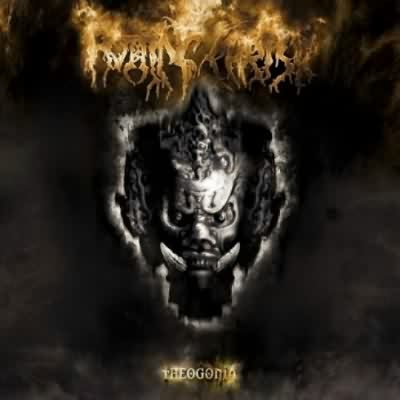
Rotting Christ - Theogonia


Black metal veterans Rotting Christ have been around for nearly 20 years now, and this is the Greek band's 10th studio album. They haven't changed their trademark style, but they have added some elements that keep them from sounding exactly the same.

Theogonia is dark and diverse. It has harsh and biting riffs contrasted with a layer of gothic atmosphere. They take successful elements from their previous albums and blend them together to make a new creation. The songs range from mid tempo evil dirges to high speed frenzied blasphemy. They add things like choir parts and traditional Greek instruments for even more diversity.

Rotting Christ's sound has changed and evolved over the years, and with this album have hit on a great combination of old and new school black metal sound.

The Black Dahlia Murder - Deflorate


Dictionary.com defines the word “deflorate” as “past the flowering state; having shed its pollen.” That seems wickedly apropos for the Black Dahlia Murder, who have indeed just past their flowering state as the “it” band of death metal. Their last album, 2007’s Nocturnal, was praised to the sky, and for good reason – it was a nimble, invigorating exercise that proved blast beats and Cookie Monster vocals could almost be populist. Such frightening musical elements never sounded quite as accessible before the Black Dahlia came along (at least not without losing their menace and/or becoming parody). I would hazard a guess that hailing from Detroit has something to do with BDM’s ear for melody. Barry Gordy, your precious juice runs through Trevor Strnad’s “voculars.”

Deflorate is another solid entry from Black Dahlia, strewn with rib-shattering drum work and too many epic mosh riffs to count (although I’d finger the triumphant intro/outro of “I Will Return” as the record’s tastiest jam, a beard-stroking old school Viking riff if ever I heard one). Strnad seems to have found some safe middle ground with his singing, refusing to shoot into registers nearly as comically high or low as prior outings. This vocal temperament serves to strengthen an already powerful collection of metal – even the brief solos whip up a significant amount of anger. Yet the songs on Deflorate don’t immediately grab the listener as they did on Nocturnal, a problem that lies either in the somewhat clumsy arrangements or the slightly warmed-over production. Were Black Dahlia an award-winning Romanian gymnast in the 1970s, this perfectly graceful floor routine would lose points for a shaky landing. They’d still make a made-for-TV movie about her life, though, and people would tune in from coast to coast.

One other serious point about Deflorate (aside from the insane cover featuring what appears to be an ancient Babylonian god with multiple colostomy bags nuking Encyclopedia Brown with his eyes) – it could very well be a concept album revolving around Michael Jackson’s life and death. If that sounds crazy, look at the song titles and their order: Michael began in the Jackson 5, a group full of “Black Valor”; he later made “Thriller,” which was something of a “Necropolis”; he took Emmanuel Lewis to the Grammys one year, certainly a “Selection Unnatural”; after the molestation trials, MJ was “Denounced, Disgraced” and his many plastic surgeries left him a “Christ Deformed”; his expiration caused a media “Death Panorama” as family members scrambled to ascend his “Throne Of Lunacy” as the “Eyes Of Thousand” watched; in the end, Michael Jackson proved the old idiom “That Which Erodes The Most Tender Of Things”; luckily, he “Will Return” via his final concert film.

If the BD Murder can come clean and admit Deflorate is a tribute to the King of Pop, I will personally buy them dinner the next time they visit the White Castle across the street from my apartment. Should they remain coy, I shall curse the Black Dahlia Murder but continue to enjoy their concise yet equally grand take on all that is doom and gloom. You can’t argue with thirty-three minutes of pummeling this epic (or epically tight) in any time zone. Even if BDM’s pollen count remains low, there seems little doubt they will continue to batter our thirsty, sex-starved ear drums on a consistent basis for years to come like the swarm of horny, evil, Rust Belt bees from the 7th Level of Hell they most assuredly are.

If Charles Bronson were to bust in here, put a gun to my head, and demand some kind of numerical rating, I’d give Deflorate three shitty nature jokes out of four.